

Being a doctor of veterinary medicine (DVM) is a challenging career that takes time and commitment to achieve, but those who put in the effort will find themselves in an incredibly rewarding profession. Like any career, veterinary medicine isn’t for everyone. If you’re wondering if it’s right for you, read on to discover the pros and cons of being a veterinarian, from the earning potential to the emotional toll of the job.
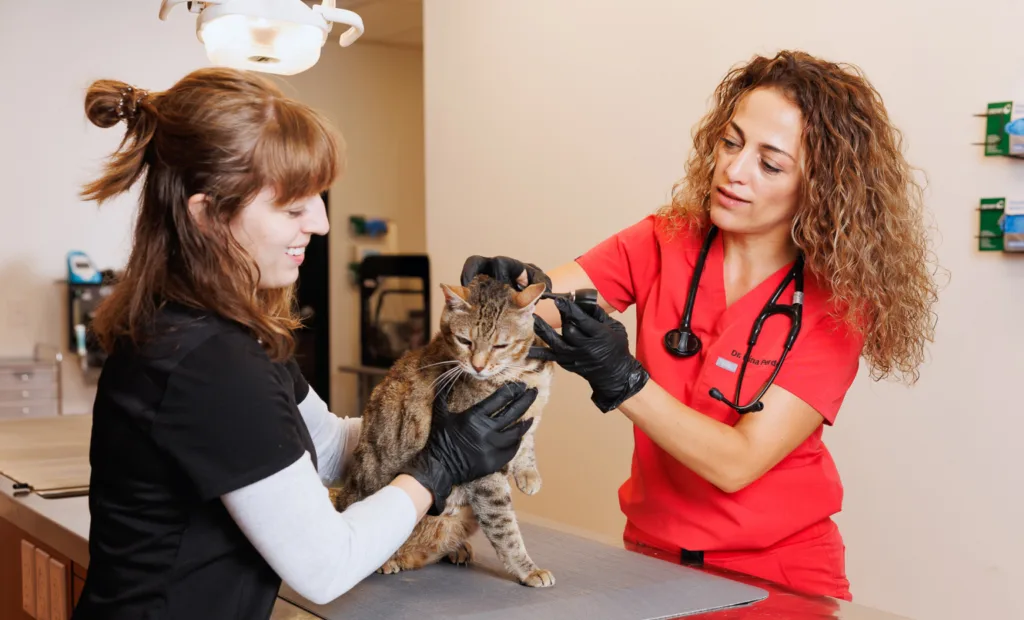
What is veterinary medicine really like day-to-day?
Every day can be a different adventure in a veterinary hospital. From simple vaccine appointments to teeth cleanings to emergency surgeries, your day will be filled with a wide variety of work. This is great for people who enjoy a fast-paced environment, but can also lead to exhaustion and burnout if you aren’t able to find the time and space to relax and recover.
What your day looks like as a veterinarian also depends on the type of clinic in which you work. For example, an urgent care clinic will have a less predictable caseload than a general practice hospital. If you work for a corporate entity, the types of animals you treat and the care you provide will be dictated by the company policies. If, however, you own your hospital and work for yourself, you get to decide how you practice medicine.
What’s most important to know is that you have options. Whether you want to work with zoo animals, farm animals, exotics or just stick with dogs and cats, there’s a veterinary career path for you.
Pros of being a veterinarian
Veterinary medicine provides a fulfilling career with strong earning potential and many specialized paths to choose from. Let’s explore some of the biggest benefits of being a veterinarian.
Meaningful, purpose-driven work
Of all the rewards of a veterinary career, the most meaningful is getting to perform a job you genuinely care about. Most veterinarians have known they wanted to work with animals their entire lives; it’s a passion that runs deep, and caring for animals is its own reward.
By caring for pets, you also indirectly care for pet parents. This is the other side of veterinary medicine, where you have the power to provide peace of mind and heal hearts. Everything from life-saving interventions to a simple exam is an opportunity to strengthen the human-animal bond. This is how you’ll build lasting relationships as the center of your pet-parent community.
Strong job demand and stability
Rising pet ownership has increased demand for veterinary care, bringing more opportunities, and potentially greater income, to veterinarians. The variety of specializations, explored more in depth below, further increases your options. Given the amount of work available, it’s a great time to go into veterinary medicine.
Diverse career paths and specialization
What does it actually mean to be a veterinarian? With so many ways to practice veterinary medicine, it’s a job title that you get to help define.
Small-animal veterinarians, which treat companion pets such as dogs and cats, are the most common. This is your typical “family vet,” who may work as an associate or own their own practice. While this is the most publicly visible type of veterinarian, it’s far from the only option.
Veterinary specialists focus on a single area, such as exotic animal care, anaesthesiology, dentistry or surgery. Food safety veterinarians might work for the Food and Drug Administration or other government bodies and perform the critical work of inspecting livestock and preventing the spread of illness through flocks and herds. Research veterinarians work to develop new medicines and methods for diagnosing and treating health conditions, often for universities or government organizations.
What’s more, you’re not locked into any of these paths from the beginning. If you start as a small-animal veterinarian and decide you want to move into something more specialized, you can always pursue that goal, with plenty of networking and continuing education opportunities to help you get there.
High earning potential that grows with experience
Compensation for DVM careers is generally very good, although it varies by location, specialty, experience and other factors. In general, the more experience you gain and specialities you master, the higher your earning potential will be.
Beyond experience, the biggest determiner of income is whether you work as an associate doctor for another veterinarian or corporate entity, or for yourself as a hospital owner. Taking a job as an associate means you’ll start earning immediately, often with a very good salary and maybe even a signing bonus.
Starting your own hospital, on the other hand, comes with significant start-up costs and financial risk, and it may take months or even years before you realize a profit. However, the long-term potential for building wealth is much higher because of the equity you build in your business, to say nothing of the increased autonomy you have as your own boss.
Cons of being a veterinarian
From demanding education requirements and student debt to physical and emotional burnout, a veterinary career is not without its challenges. Here are the potential downsides of being a veterinarian.
The burden of student debt
Veterinary students are borrowing more than ever to complete their schooling. For DVM graduates who carry debt, the average amount is now over $200,000, according to AVMA. While salaries have also increased, the debt-to-income ratio is still higher compared to recent years and remains a primary concern for aspiring veterinarians.
Emotional toll and burnout
As a veterinarian, you will work with pets and pet parents at the best of times — and the worst. From euthanizing pets at the end of their natural livespans to delivering bad news to a pet parent about the injured pet you just couldn’t save, the emotional toll of being a veterinarian can be extremely heavy. Even days without any tragedies can be stressful and overwhelming simply due to a busy caseload. Burnout is common in the veterinary industry, so having a plan in place to take care of your mental and emotional health is crucial.
Long hours and the administrative grind
Veterinarians often work much more than a standard 40-hour week, although how much you work depends on the type of medicine you practice and whether you work as an associate doctor or own your own practice. Ownership offers more control over your schedule but also comes with an additional administrative responsibility, a tradeoff that may or may not be worth it to you.
Limited autonomy in many corporate roles
Corporate veterinary hospitals offer attractive compensation packages, especially for debt-saddled new graduates looking to start earning income quickly. But corporate medicine also comes with downsides: limitations on care, an inflexible schedule and product or service mandates that may not align with your assessment of a given patient’s needs. Plus, national brands often impose one-size-fits-all policies that don’t necessarily match up with your local community. For these reasons and more, veterinarians in corporate practices often report lower job satisfaction and higher burnout compared to independent veterinarians.
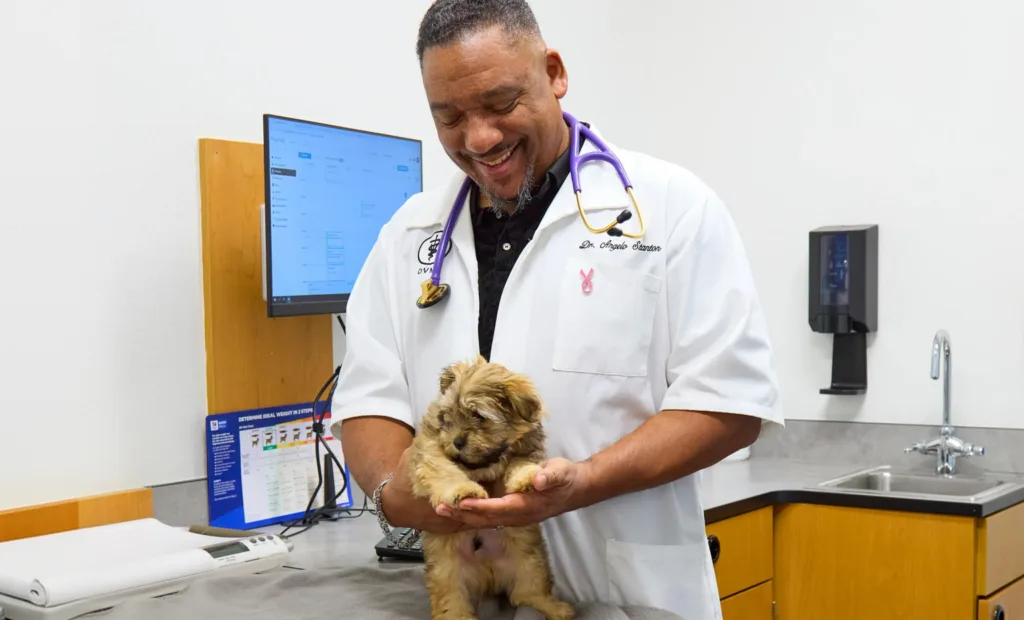
Is being a veterinarian worth it?
Ultimately, this is a question you must answer for yourself. If you’ve had a lifelong love of animals and would find fulfillment in caring for them and working to improve the human-animal bond, then a career in veterinary medicine would almost certainly be worth it for you.
If your motivation is less emotional and more practical, you may find it more difficult to enjoy a DVM career. Being a veterinarian certainly comes with practical rewards, such as a good salary and work-life balance in the right situations, but it can also lead to stress and burnout. If your mind is in it but your heart isn’t, the downsides of a veterinary career could easily make it not worth it.
“With PVS, you take control of an existing in-store hospital in a busy retail environment with built-in foot traffic, greatly reducing the timeframe and cost of securing a location. We also support your back office, helping you with marketing, technology, maintenance and more.”
Another option: hospital ownership
Veterinary hospital ownership comes with a host of benefits, from higher earning potential to increased autonomy. As your own boss, you decide the types of animals you see and medicine you practice. You also get to build personal relationships with your clients, who will appreciate bringing their pets to a locally owned hospital.
But ownership also has its challenges. Between securing real estate, building out your exam rooms and hiring staff, start-up costs can be in the hundreds of thousands. And in addition to your primary job as a doctor, you’ll take on the roles of accountant, recruiter, marketer and more. For veterinarians who simply want to focus on caring for animals, this can feel like too much.
This is why PetSmart Veterinary Services developed an ownership model that lets veterinarians focus on care without being bogged down by every detail of running a business. With PVS, you take control of an existing in-store hospital in a busy retail environment with built-in foot traffic, greatly reducing the timeframe and cost of securing a location. We also support your back office, helping you with marketing, technology, maintenance and more.
Ownership isn’t for everyone, but our goal is to make it as accessible as possible, so that every veterinarian who dreams of owning their own hospital has a chance to achieve it. Wondering if ownership is right for you? Learn more about PVS or reach out to our team anytime.
Frequently asked questions
Let’s explore the most common questions people have about becoming a veterinarian.
Is being a veterinarian hard?
Yes, being a veterinarian requires a lot of work, both before and after earning your DVM degree. It’s a career that will challenge you physically, mentally and emotionally. But for those with a strong passion for animal care, it is also one of the most rewarding and fulfilling careers you could possibly choose — and well worth the hardships.
What are the biggest cons of being a veterinarian?
The biggest cons of being a veterinarian are the amount of student debt, the emotional toll of the job, the long hours and the risk of burnout due to the demanding nature of the work.
What are the pros of being a veterinarian?
The pros of being a veterinarian include highly rewarding work, doing a job you’re passionate about, high earning potential, a variety of career path choices and the option of working either as an associate doctor or going independent as a hospital owner.
How much do veterinarians actually earn?
The average annual salary for a veterinarian is about $133,000, according to Indeed, but this varies with location, speciality, type of practice and whether you work as an associate or independent doctor. You can use AVMA’s salary estimator tool to get an idea of what your own earning potential may be. Keep in mind, hospital owners build equity in their business, giving them additional earning potential beyond a salary.
Can a veterinarian own their own practice?
Yes! Practice ownership is the dream for many veterinarians, and while it requires significant up-front effort and capital, it is possible. If you’re interested in owning your own veterinary practice, know that you have options, such as starting a brick-and-mortar from scratch or sharing ownership with another person or entity. Veterinary franchises, such as those offered by PetSmart Veterinary Services, offer a third option in which you can fully own your practice while receiving business support to help you manage your hospital, letting you focus on care.
Curious? Learn more about your options for veterinary ownership.